59 Welby Street, Grantham, Lincolnshire, NG31 6EA
Free measuring and quoting, no obligation
01476 593199

Floor preparation and screeding in Grantham

We prepare and screed floors ourselves rather than subcontracting it out, which means when we say a floor's ready, we're the ones who made it ready and we're the ones fitting on top of it. Plenty of flooring shops won't take this work on at all. It's slower, it's messier, and it delays the job. It's also the difference between a floor that lasts and one that doesn't.

Est. 1993, over 30 years in the trade Measured and fitted by our own team

Most flooring problems aren't flooring problems. They're subfloor problems that nobody dealt with.

When you'll need preparation and probably don't realise

Spotting it
Sign 1

Fitting LVT, especially glue-down

The most demanding covering there is for subfloor flatness.

Sign 2

Replacing tiles with anything thinner

Removing tiles leaves adhesive ridges that have to come off and be levelled.

Sign 3

Old houses with suspended timber floors

Boards that have moved, cupped or gapped over a century.

Sign 4

New builds

Not always as flat as you'd hope, and often with screed that hasn't finished drying.

Sign 5

Anywhere with underfloor heating

Levels, insulation and commissioning all have to be right.

Sign 6

Wet rooms

Falls to the drain have to be formed correctly before safety flooring goes down.

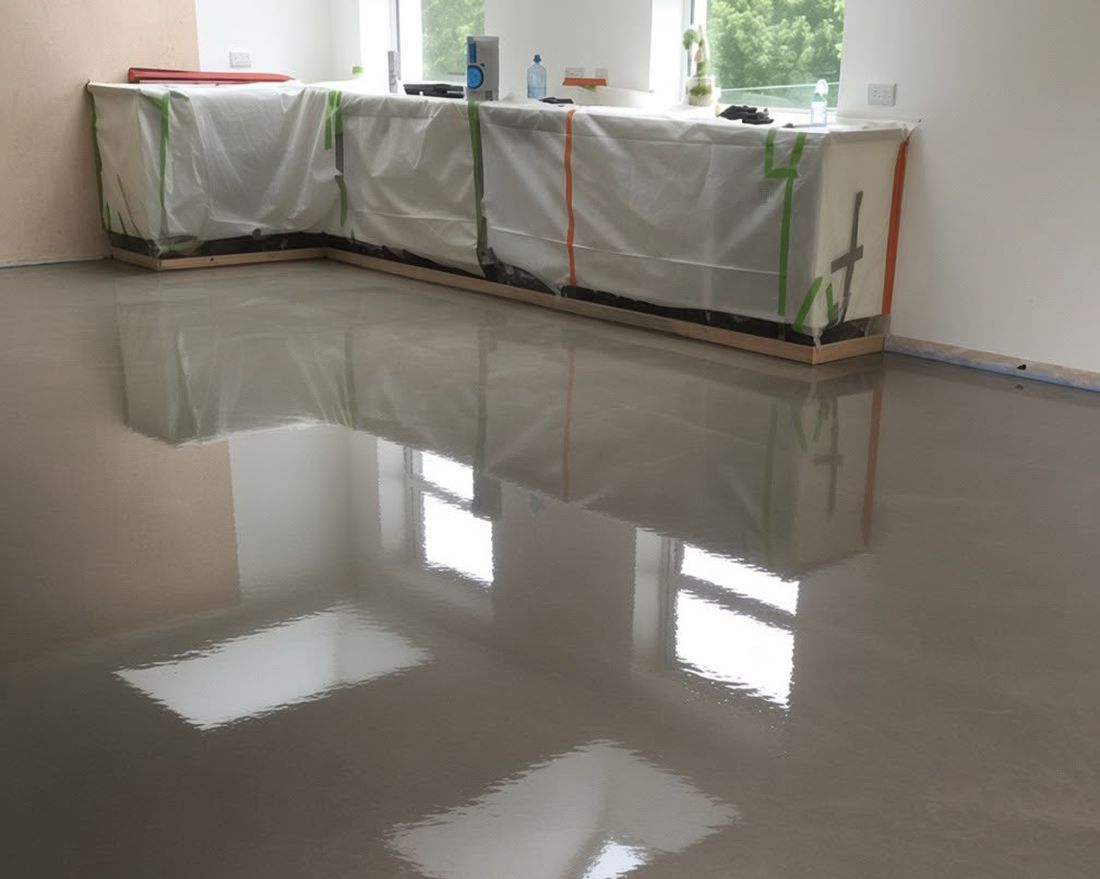
Liquid screed poured and levelled in a kitchen, still wet
The work

What the work involves

Depends entirely on what's there.

Levelling and latexing. A self-levelling compound poured over an existing concrete or screeded floor to take out dips, ridges and trowel marks. This is the most common preparation we do, and it's usually what's needed before glue-down LVT.

Overboarding. Plywood or hardboard laid over timber floorboards, screwed down, to give a flat, stable, gap-free surface. Standard before sheet vinyl or LVT over floorboards.

Screeding. A thicker sand and cement or flowing screed, used where a floor needs building up, where levels need changing between rooms, or where there's no usable surface at all.

Removing what's there. Old adhesive, old bitumen, old tiles, old screed that's failed. Often the least glamorous and most necessary part.

Book a Free Measure
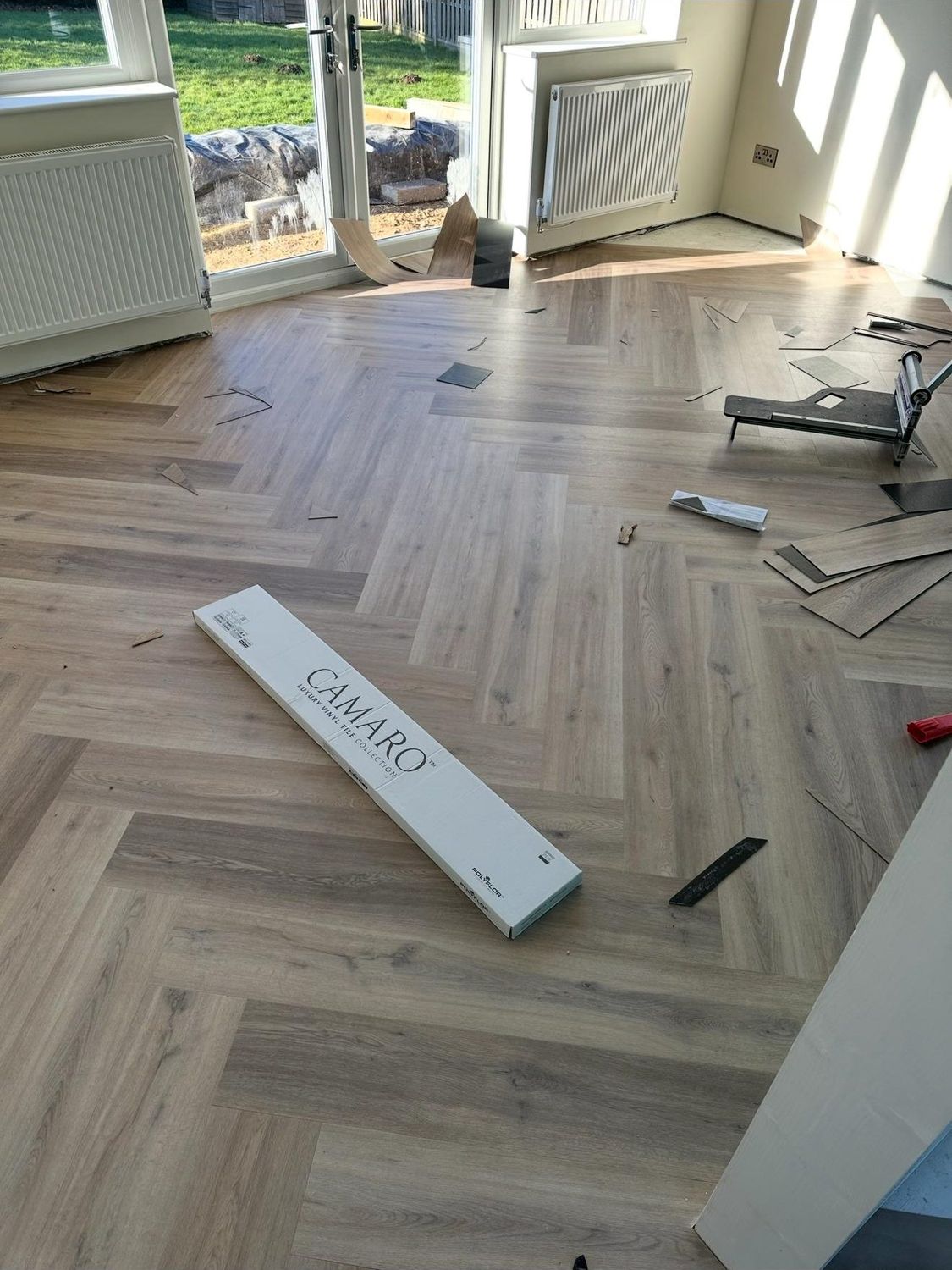
Our fitters preparing a subfloor before the new floor goes down
Patience

Drying times, and why nobody can shortcut them

This is where floors get ruined, and it's usually because someone was in a hurry.

A new screed has to dry before a floor covering goes on top of it. Not "feel dry to the touch". Dry measured with a moisture meter, to the level the flooring manufacturer requires.

How long that takes depends on the depth of the screed, the type, the temperature, the humidity in the building and how much air is moving. The old rule of thumb about a day per millimetre is a rough guide at best and it falls apart on thicker sections and in cold, still conditions.

The limits are tight, and they're tighter than people expect. Timber and laminate in particular need very dry screeds, and gypsum-based screeds have stricter limits than cement ones. Underfloor heating adds another step, because the system has to go through a proper commissioning cycle before the floor goes down.

We test rather than guess. If a floor isn't ready, we'll tell you it isn't ready, and we'd rather have that conversation than lay a floor we know is going to fail.

Book a Free Measure
Drying times, and why nobody can shortcut them
Why it matters

Why the subfloor decides everything

Every floor covering takes the shape of what's underneath it.

Lay thin LVT over a floor with a ridge in it and the ridge shows through, permanently. Lay sheet vinyl over gappy floorboards and every gap telegraphs up. Lay a floating floor over a dip and it flexes there until the joints work loose. Lay anything at all over a damp screed and the moisture has nowhere to go but up, into the adhesive and the covering.

None of that is fixable afterwards. The floor has to come up.

So when we measure, we look at what's under the old floor as well as at the room. If it needs work, we tell you, we price it separately so you can see exactly what it is, and you decide.

Book a Free Measure
Why the subfloor decides everything
What we stock

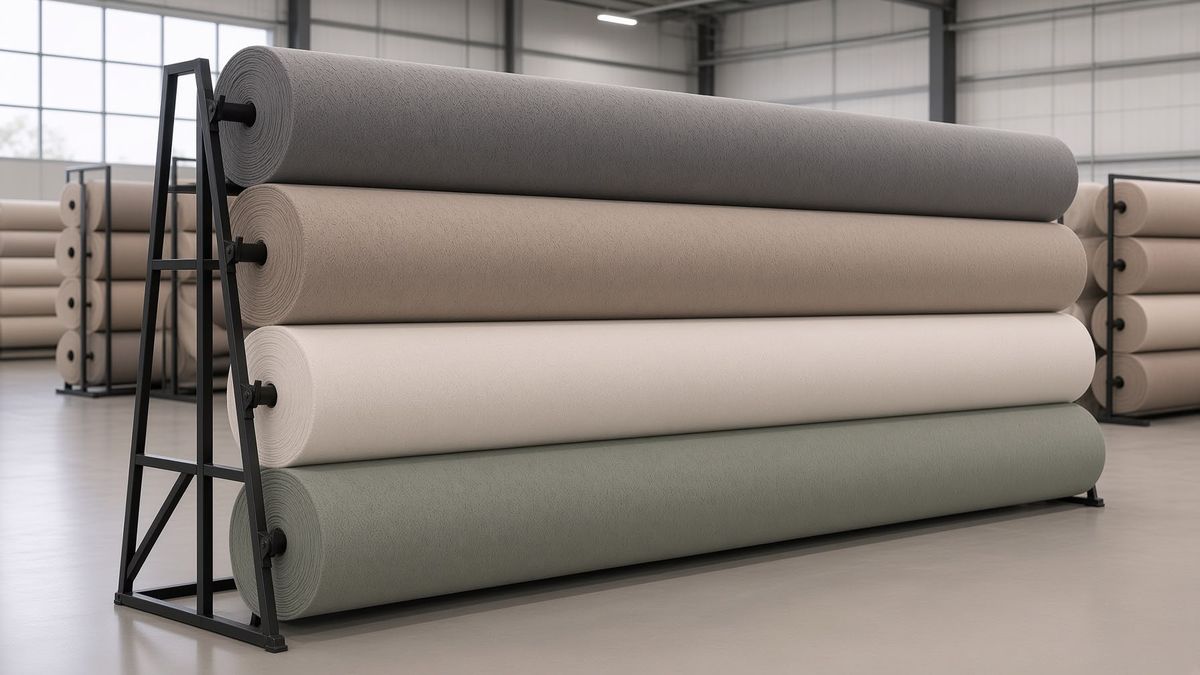
What we stock in the showroom

Samples on a screen are a guess. Samples in your hand, in daylight, are a decision. The showroom's on Welby Street, with free street parking nearby.

Our work

Recent work, in real houses

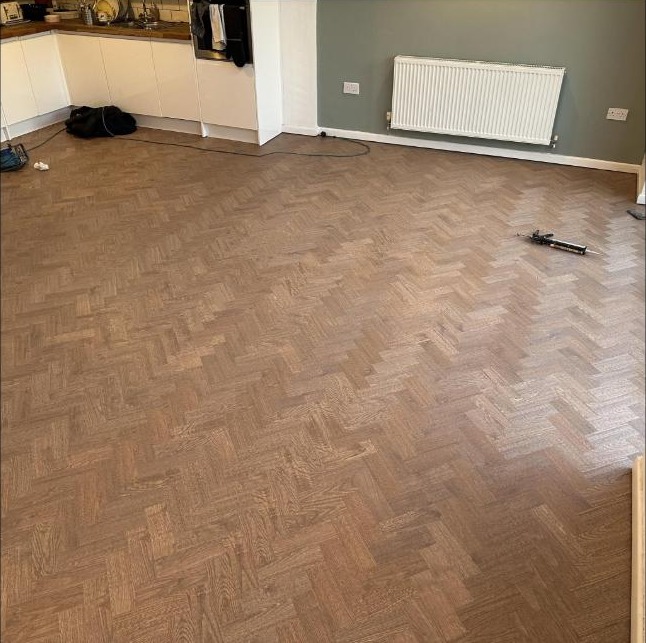
Every floor in this gallery is one of ours, laid in a real house, usually somewhere in or around Grantham. No stock photos, no show homes.

See All Our Work →
FAQ

Fast answers for busy households

The things people ring us to ask, answered plainly. If yours isn't here, call 01476 593199.

How long does floor screed take to dry?

It depends on the depth, the screed type, the temperature, the humidity and the airflow. A day per millimetre is a rough rule and an unreliable one, particularly on thicker sections or in cold conditions. The only reliable answer comes from a moisture test, which is what we do rather than working to a calendar.

How do you know when a screed is dry enough?

By measuring it, with a moisture meter, against the limit the floor covering manufacturer specifies. Different coverings have different limits, and timber and laminate are the strictest. Testing several points in a room matters, because edges and centres dry at different rates.

Can you lay flooring on a damp floor?

No. Moisture has to go somewhere, and if you seal it in it goes into the adhesive and the covering. It causes lifting, bubbling and failed bonds, and the fix is always taking the floor back up. If a floor is damp, we deal with it first.

Do I need my floor levelled before new flooring?

Sometimes. It depends on the state of the subfloor and on what's going on top. LVT and sheet vinyl show almost everything underneath them. Carpet is more forgiving but not immune. We'll tell you when we measure, and we'll price it separately so you can see what it is.

What's the difference between screed and levelling compound?

Screed is thicker and structural, used to build up levels or create a new surface. Levelling compound is a thin, self-smoothing layer poured over an existing floor to take out minor imperfections. Most domestic jobs need levelling rather than full screeding.

Can screeding be done over underfloor heating?

Yes, that's a common application. The heating has to be commissioned properly afterwards, with a controlled heating and cooling cycle, before any floor covering goes down.

Get started

Ready for a floor that lasts?

Not sure what's under your floor?. We'll come out, measure properly, bring samples if you want them, and give you a written quote. Free, and no obligation.

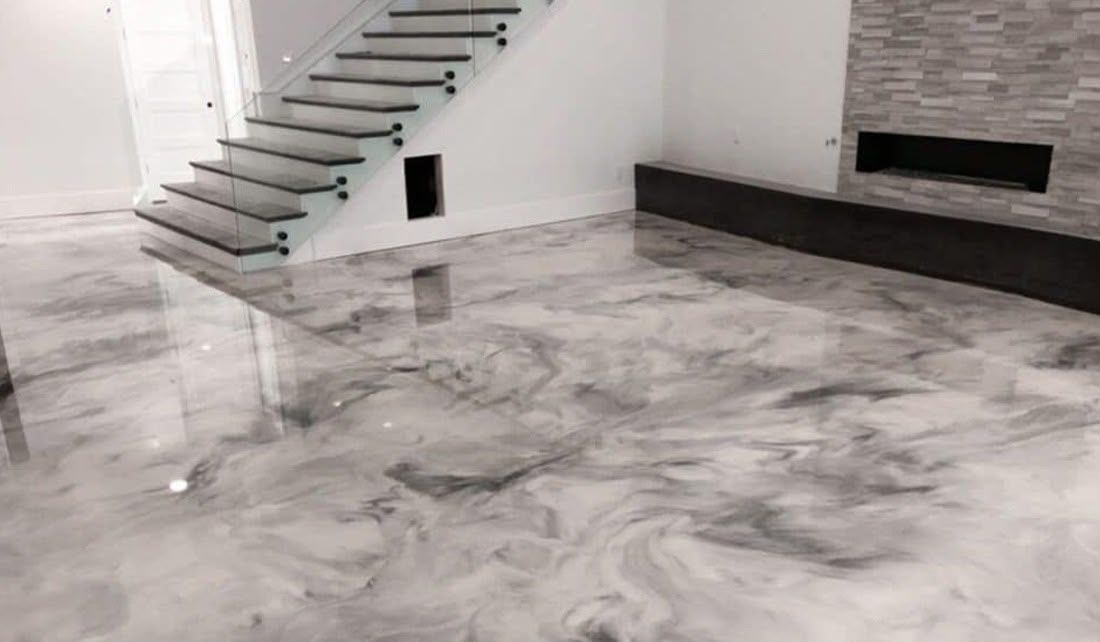
Marble effect resin floor beside an open staircase
Call 01476 593199